

What's in this guide? This page walks through what your fifth grader will experience across each subject this year — from math and reading to social-emotional learning.
Look for updates on ParentSquare throughout the school year regarding your child's current units of study.
Jump to a subject
Mathematics Reading Word Study Writing Science Social Studies Social-Emotional Learning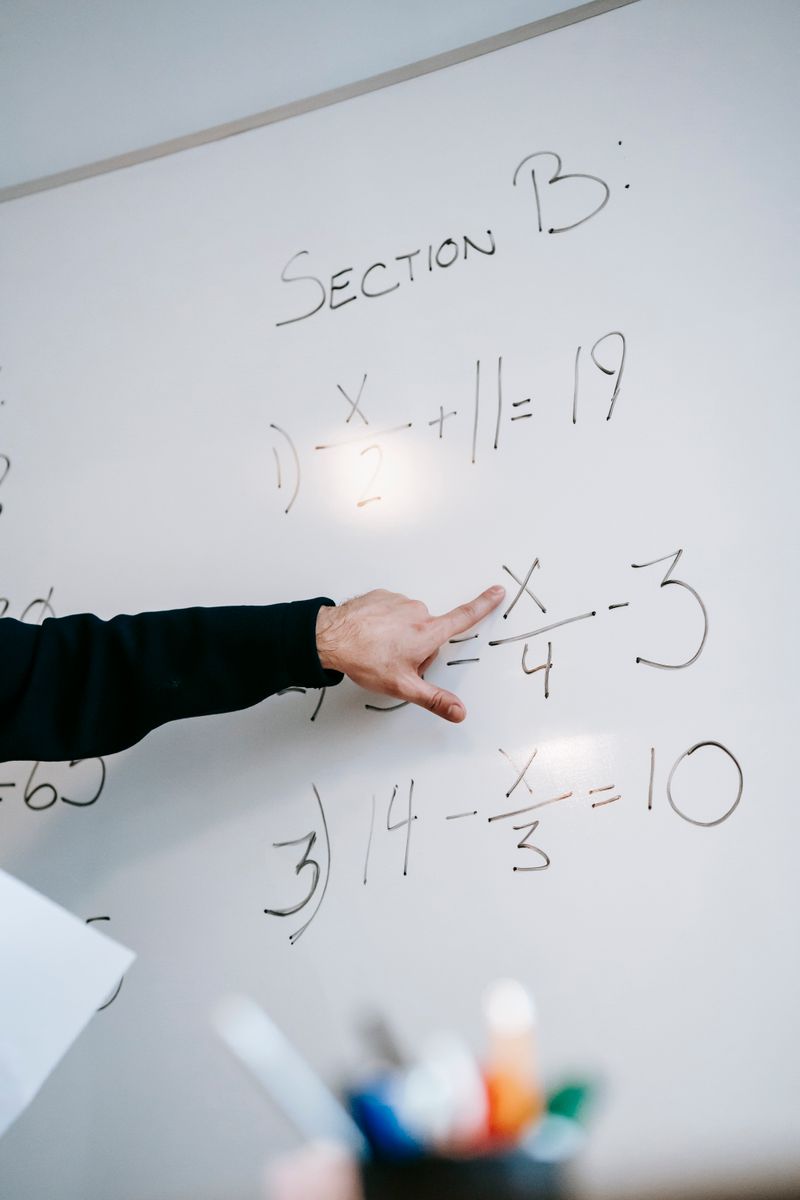
Through whole-group instruction and station teaching, fifth grade uses Great Minds Eureka Math as the core curriculum to deliver instruction. The major fifth grade instructional focuses are:
- developing fluency with addition and subtraction of fractions, and developing understanding of multiplication of fractions and of division of fractions in limited cases (unit fractions divided by whole numbers and whole numbers divided by unit fractions)
- extending division to 2-digit divisors, integrating decimal fractions into the place value system and developing understanding of operations with decimals to hundredths, and developing fluency with whole number and decimal operations
- developing understanding of volume
Supplemental digital resources include Zearn, XtraMath, Times Table Rock Stars, and First in Math, available on students' ClassLink (opens in a new tab).

Fifth grade uses a variety of modules and units of study to explore the features of different fiction and informational genres.
Book Club: Students continue book clubs with fictional novels, diving deeper into how literary elements influence themes.
Fantasy Book Clubs: Students narrow in on how settings influence a fantasy text. Text structure is studied through foreshadowing and flashbacks.
Author Study: Student author clubs read texts by the same author, closely synthesizing details across texts to notice how themes are transferrable across books and genres.
Argument and Advocacy: Researching Debatable Issues: Students use a variety of texts to research a debatable topic while noticing arguments on both sides.
An informational unit supports students in developing deeper comprehension of complex text structures and how to determine main ideas.
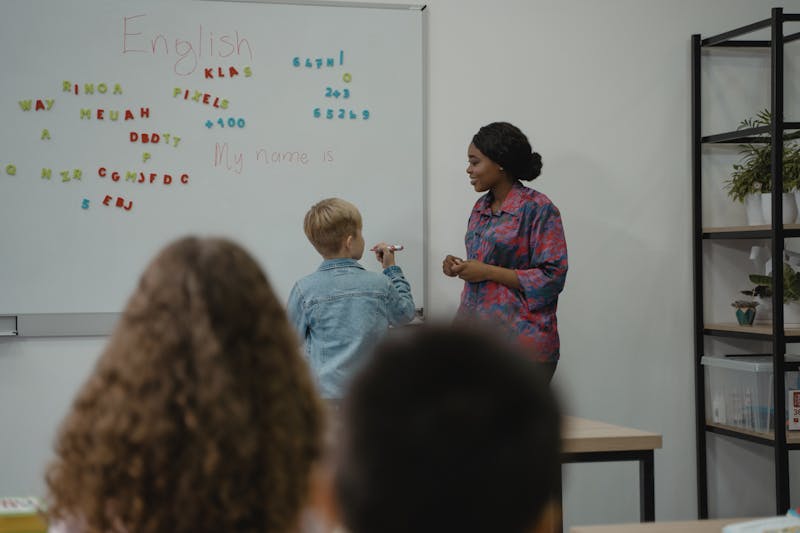
Fifth grade builds on fourth grade work on morphology and continues it with Morpheme Magic. This program supports students' vocabulary and spelling knowledge as they study prefixes, base words, and suffixes and develop an understanding of how meaningful word parts contribute to word meaning and structure. In fifth grade, students begin to explore Greek and Latin roots.

Fifth grade uses units of study to write narrative, argument, and informational pieces. Fifth graders also write about their reading through a Literary Essay, where students make a claim (or answer a question) about a text and support their claim with evidence and details across texts. Teachers use The Writing Revolution (opens in a new tab) approach not only during these writing projects, but across the school day and in all content areas, to support students' development of grammar, conventions, sentence structure, and organization.
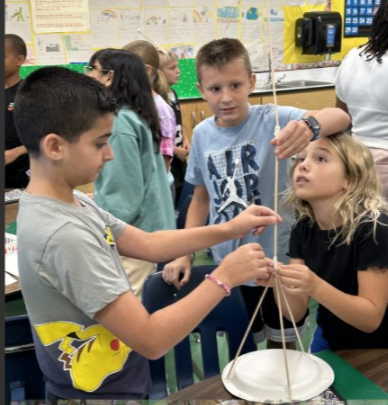
Fifth graders study Energy of Life, Chemistry in Our World, Space Systems, and Earth Systems, using a combination of resources from OHM BOCES science kits. Students engage in hands-on science labs and investigations, using writing to explain their learning and demonstrate their understanding of scientific concepts.
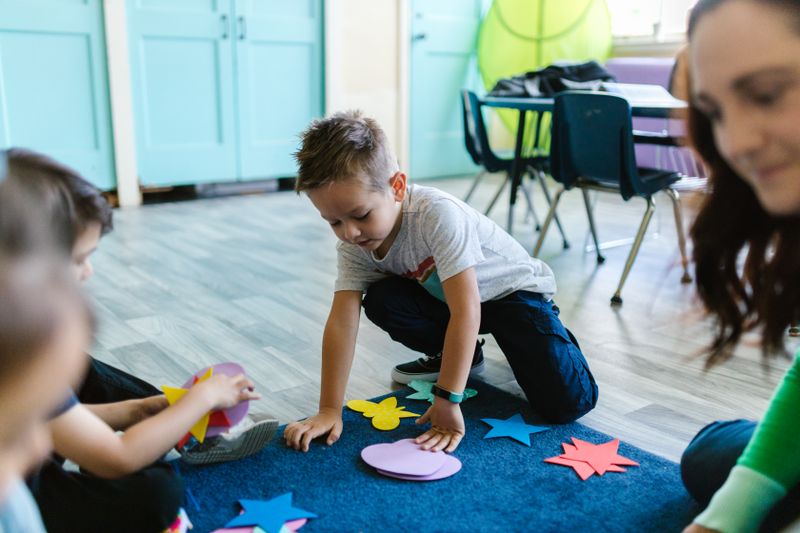
Fifth grade uses a variety of resources to support students' social-emotional development, including RULER. Students receive different levels of support based on their individual needs. Throughout the year, students also participate in cultural contribution activities and explore character traits that promote positive relationships, responsible decision-making, and a strong sense of community.
Using BOCES-created curricula, students develop an understanding of geography, explorers, economics and cultures in the Western Hemisphere, and government systems. Students build historical and geographic knowledge while developing an understanding of how people, places, and systems shape societies.