

What's in this guide? This page walks through what your third grader will experience across each subject this year — from math and reading to social-emotional learning.
Look for updates on ParentSquare throughout the school year regarding your child's current units of study.
Jump to a subject
Mathematics Reading Word Study Writing Science Social Studies Social-Emotional Learning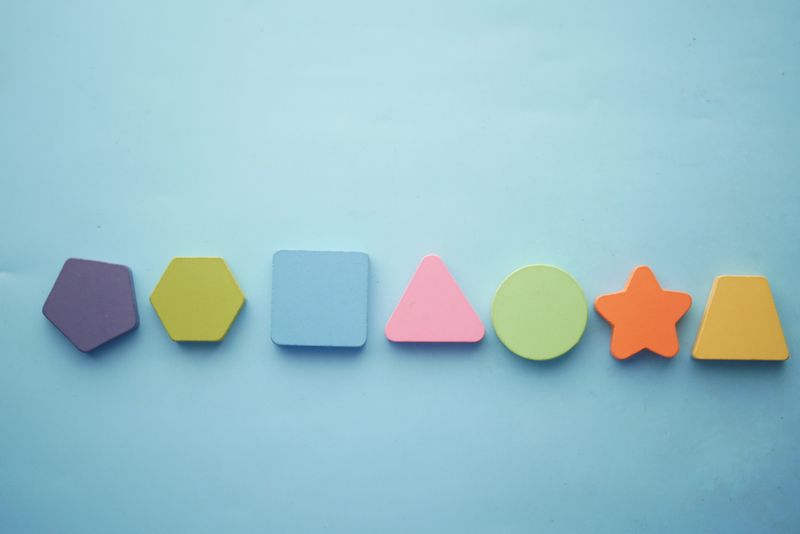
Through whole-group instruction and station teaching, third grade uses Great Minds Eureka Math as the core curriculum to deliver instruction. The major third grade instructional focuses are:
- developing an understanding of multiplication and division and strategies for multiplication and division within 100
- developing an understanding of fractions, especially unit fractions (fractions with a numerator of 1)
- developing an understanding of the structure of rectangular arrays and area
- describing and analyzing polygons based on the number of sides and vertices
Supplemental digital resources include Zearn, XtraMath, Times Table Rock Stars, and First in Math, available on students' ClassLink (opens in a new tab).

Third grade uses a variety of modules and units of study to explore the features of different fiction and informational genres.
Series books and read alouds allow third graders to build reading stamina, develop deeper comprehension through retell and finding the main idea, and engage with characters and stories across multiple texts.
Studying mysteries through mentor texts, students develop an understanding of mystery elements, analyze clues and evidence, and make predictions and inferences to solve problems alongside the characters.
Studying characters through Because of Winn-Dixie allows students to study character changes, feelings, actions, traits, and motives.
Fairy tales help students notice elements as a reader first, and then try them as a writer. This supports students as they compare and contrast.
Informational units on frogs and animal research build students' content knowledge as they study nonfiction text features, structures, and main ideas.
Third grade continues the work begun in second grade with morphology using Morphemes for Little Ones. This program supports students' vocabulary and spelling knowledge as they study prefixes, base words, and suffixes and develop an understanding of how meaningful word parts contribute to word meaning and structure.
Third grade uses units of study to write narrative, opinion, and informational pieces. Third graders also write about their reading through a Baby Literary Essay, where students make a claim (or answer a question) about a text and support their claim with evidence and details from the text. Teachers use The Writing Revolution (opens in a new tab) approach not only during these writing projects, but across the school day and in all content areas, to support students' development of grammar, conventions, sentence structure, and organization.

Third graders study Life Cycles and Traits, Interdependent Relationships in an Ecosystem, Forces and Physics, and Global Climate, using a combination of resources from OHM BOCES science kits. Students engage in hands-on science labs and investigations, using writing to explain their learning and demonstrate their understanding of scientific concepts.
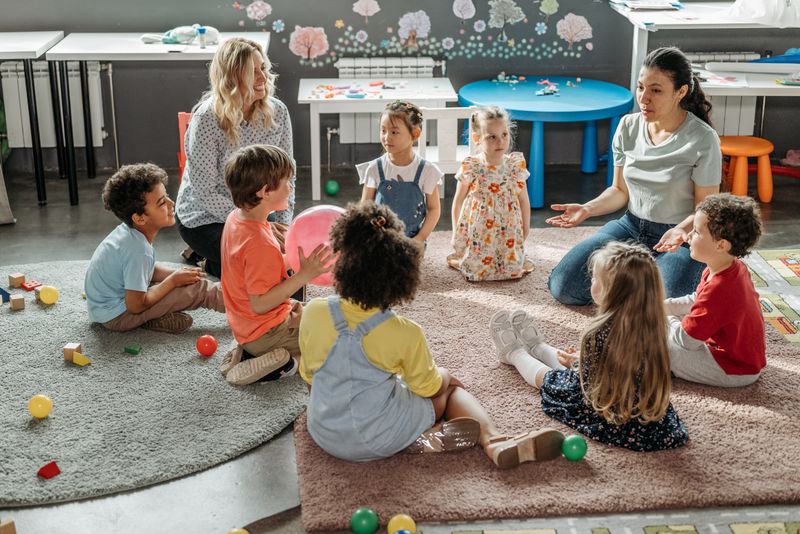
Third grade uses a variety of resources to support students' social-emotional development, including RULER. Students receive different levels of support based on their individual needs. Throughout the year, students also participate in cultural contribution activities and explore character traits that promote positive relationships, responsible decision-making, and a strong sense of community.
Using BOCES-created curricula, students develop an understanding of map skills, the United States, and different countries and cultures around the world. Students build geographic knowledge while developing an understanding of communities and the world beyond their own.