

What's in this guide? This page walks through what your kindergartener will experience across each subject this year — from early math and reading to social-emotional learning.
Look for updates on ParentSquare throughout the school year regarding your child's current units of study.
Jump to a subject
Mathematics Reading Word Study Writing Science Social Studies Social-Emotional Learning
Through whole-group instruction and station teaching, kindergarten uses Great Minds Eureka Math Squared as the core curriculum to deliver instruction. The major kindergarten instructional focuses are:
- developing a sound sense of numbers by representing and comparing numbers, initially using sets of objects
- recognizing and describing shapes and using spatial relations
Supplemental digital resources include Zearn and First in Math, available on students' ClassLink (opens in a new tab).
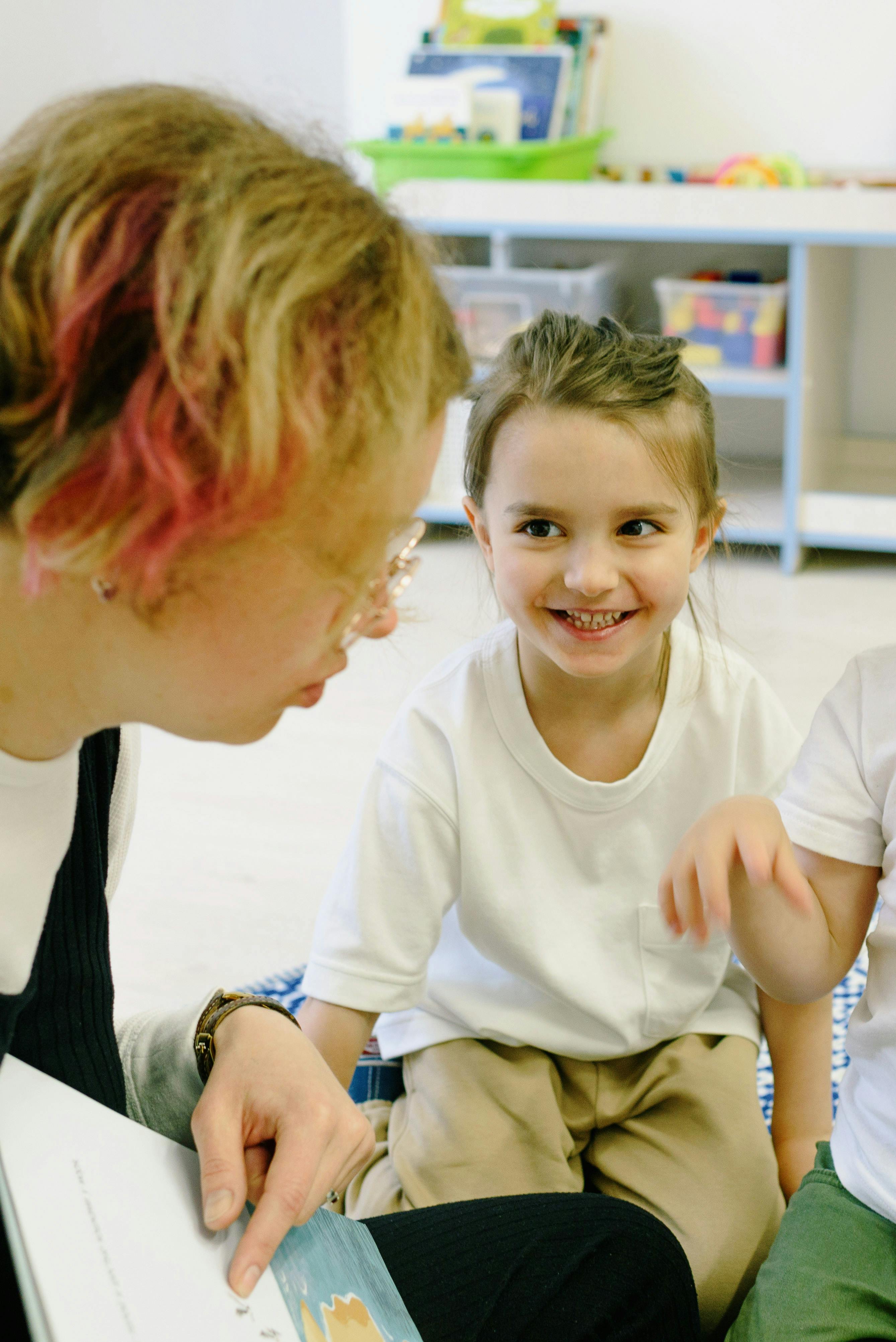
Kindergarten uses a thematic approach to build content knowledge and strengthen vocabulary. Students engage in read-alouds centered around common topics, allowing key ideas and vocabulary to be revisited and reinforced over time to support long-term learning and memory.
For independent reading, students use decodable texts, carefully controlled texts that primarily contain phonics patterns and skills they have already been taught. Students apply their phonics knowledge by saying the sounds, blending them together, and decoding the words independently.

Students learn the letter-sound relationship through Sounds-Write. Students acquire the conceptual knowledge that letters are symbols (spellings) that represent sounds from left to right across the page, that a single sound can be spelled with one, two, or three letters, and that a sound can have multiple spellings. They apply this by segmenting and blending words, and take this knowledge and these skills to attack multisyllabic words.
Students learn and practice letter formation using Itchy's Alphabet, orthographically mapping the sound to the symbol.
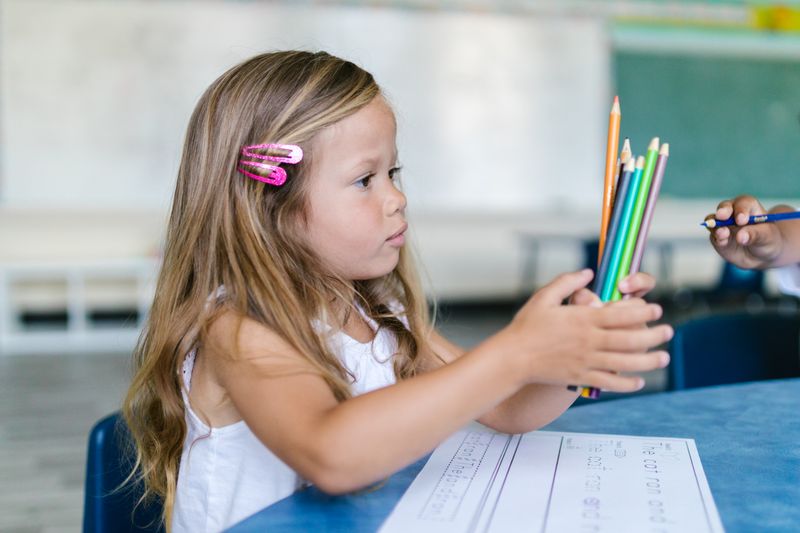
Kindergarteners participate in narrative, opinion, and informational projects. Writing can be done collaboratively, guided, independently, or dictated. Teachers use The Writing Revolution (opens in a new tab) approach not only during these writing projects, but across the school day and in all content areas, to support students' development of grammar, conventions, sentence structure, and organization.
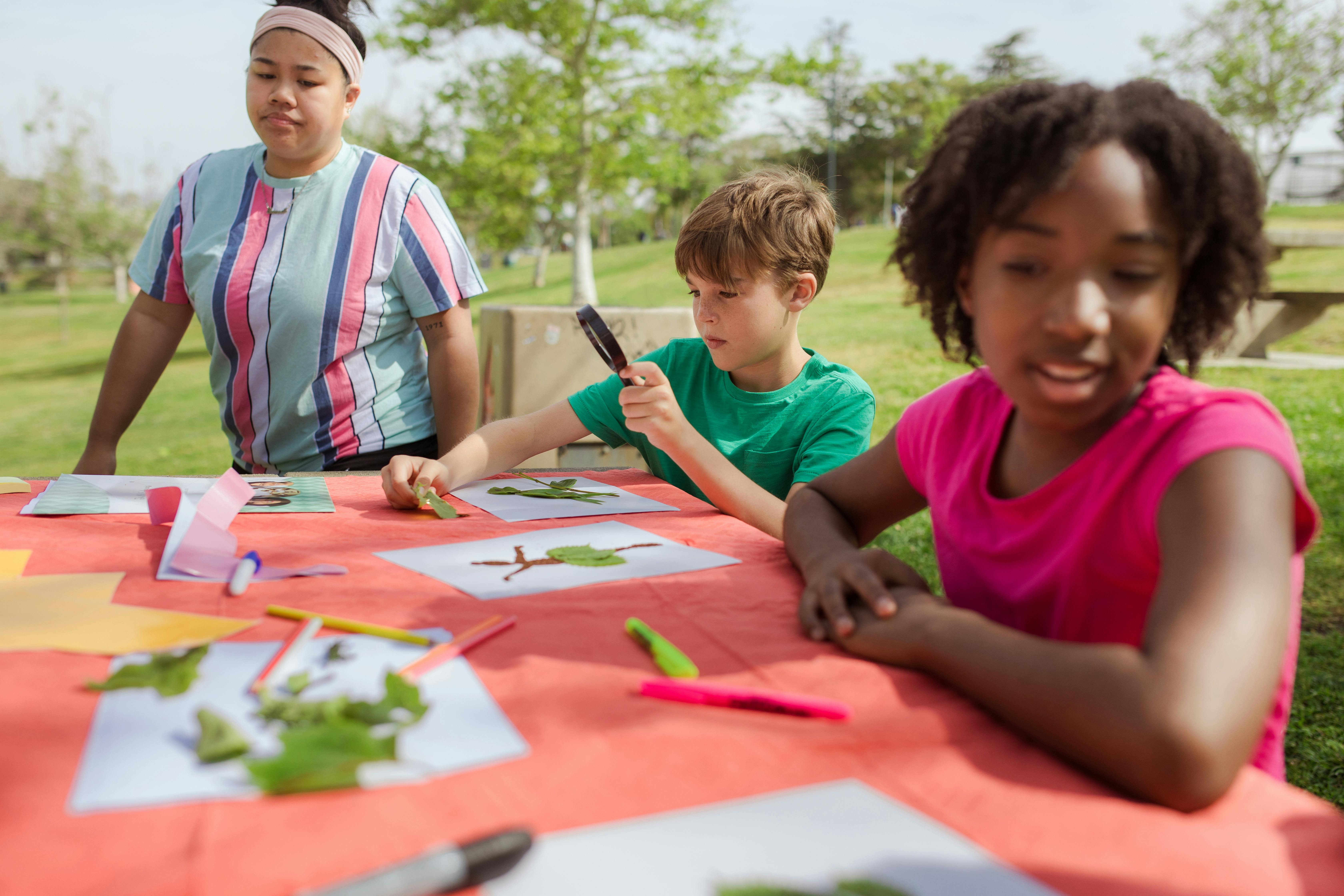
Kindergarteners study life cycles, the five senses, objects in motion, and relationships in an ecosystem, using a combination of resources and labs from OHM BOCES science kits.
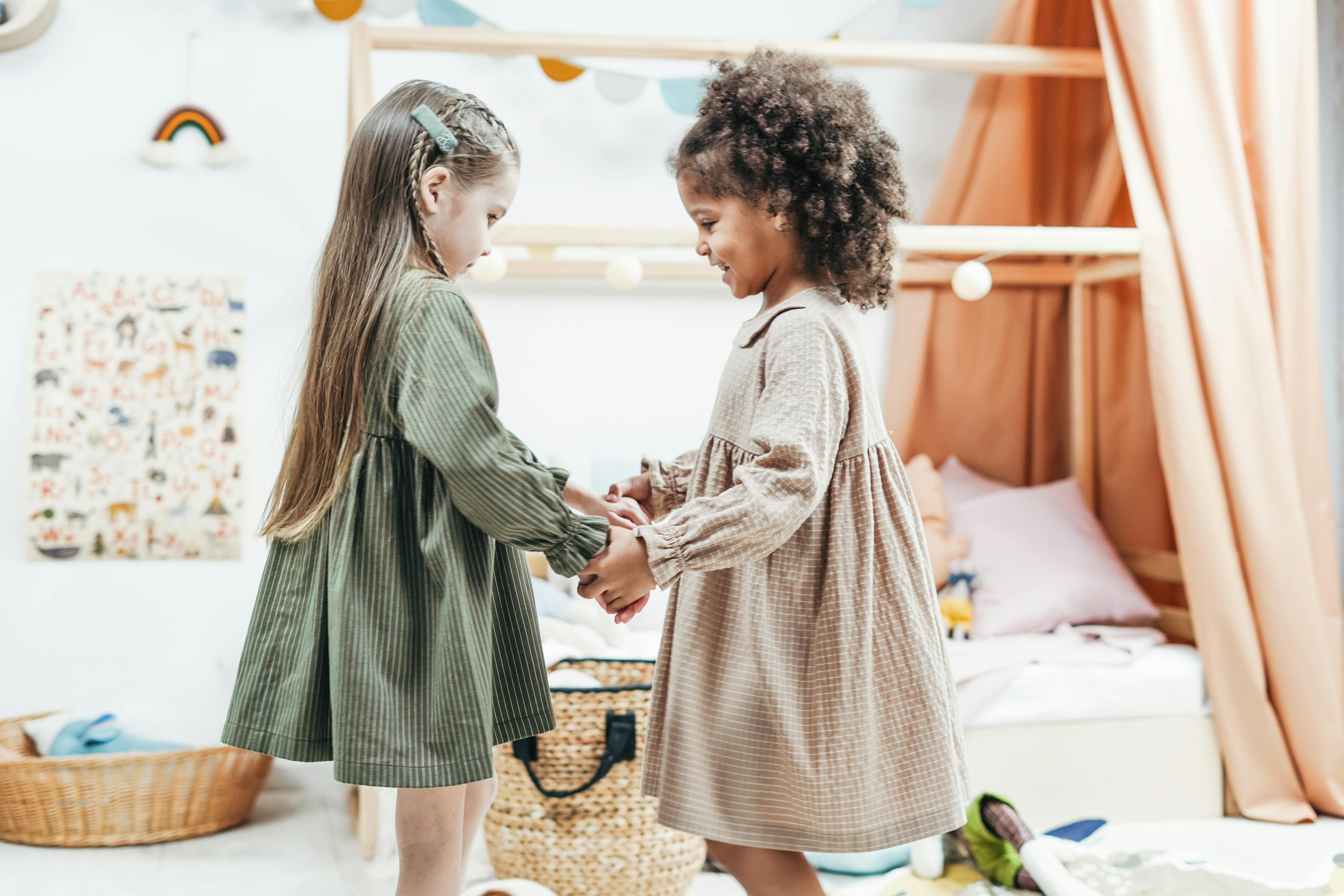
Kindergarten uses a variety of resources to support students' social-emotional development, including RULER. Students receive different levels of support based on their individual needs. Throughout the year, students also participate in cultural contribution activities and explore character traits that promote positive relationships, responsible decision-making, and a strong sense of community.
Through a variety of resources, students learn about communities, holidays, self, and needs and wants.